


-

Add: HeBei ShengShi HongBang Cellulose Technology CO.,LTD.
-

Email
13180486930@163.com -

CONTACT US
+86 13180486930





The HPMC K100M viscosity grade is revolutionizing the landscape of the pharmaceutical and construction industries. As a high-viscosity hydroxypropyl methylcellulose, HPMC K100M demonstrates not only superior versatility but also unmatched performance in various applications. This article delves into the unique characteristics of HPMC K100M, leveraging real-world experience, professional insights, authoritative data, and a rubric of trustworthiness. In practice, HPMC K100M's thickening properties are essential in pharmaceutical formulations, particularly in developing controlled-release tablets. The viscosity parameter, often a pivotal factor, ensures the accurate delivery of active ingredients over a prolonged period, enhancing the therapeutic efficiency of the medication. From expert consultations with pharmaceutical professionals, the HPMC K100M's ability to form a gel barrier has been highlighted as a critical feature, aiding in the sustained release of drugs. This attribute not only optimizes pharmacokinetics but also minimizes potential side effects, underlining the thickener's indispensable role in modern medicine. From a technical standpoint, HPMC K100M's robustness is attributed to its optimal molecular weight and unique chemical structure that enable its exceptional water retention and binding capabilities. Experts in material science recognize HPMC K100M as a critical additive in construction materials, such as cement and mortar. Its high viscosity attribute assists in maintaining the necessary moisture content, thereby preventing cracking and improving workability for construction projects. The material's reliability is backed by authoritative studies that document increased tensile strength and flexibility in cementitious applications due to the incorporation of HPMC K100M. Trust in HPMC K100M’s performance is further bolstered by strict adherence to industry standards. The material's consistency in viscosity is verified through rigorous quality testing, ensuring batch-to-batch uniformity. This trust is mirrored by its widespread adoption across industries and is supported by numerous testimonials from industry leaders who have relied on HPMC K100M to deliver quality and innovation in their products. Such consistent performance establishes HPMC K100M as a trustworthy ingredient relied upon in both pharmaceuticals and construction. hpmc k100m viscosity The global market perspective for HPMC K100M also reflects its growing importance . With trends leaning towards enhanced efficiency and environmentally sustainable practices, HPMC K100M provides a dual benefit. Its inclusion reduces the reliance on synthetic additives, aligning with eco-friendly goals and supporting the shift towards greener product solutions. From direct experiences within the sector, feedback from end-users further consolidates the HPMC K100M’s position as a catalyst for innovation. Interviews and surveys capture the real-world impact of its application, underlining improvements in product longevity and user satisfaction, which translates into a competitive edge for businesses employing this versatile thickener. In conclusion, the HPMC K100M viscosity grade stands as a testament to the intersection of scientific innovation and practical application. Its critical role in two vastly different industries—pharmaceuticals and construction—demonstrates both its adaptability and necessity. The roadmap for HPMC K100M continues to expand as new sectors explore its potential, promising an exciting trajectory rooted in reliability, efficacy, and sustainability. As industries evolve, the need for such high-performance materials will only grow, securing HPMC K100M's place at the forefront of material technology solutions.
- 40000tons

Production
- 20+years

Experience
- 5000+㎡

Acreage

-
In the world of industrial applications, particularly in the realm of pharmaceuticals and construction, two polymers often come to the forefront Hydroxyethyl Cellulose (HEC) and Hydroxypropyl Methylcellulose (HPMC). Both are cellulose derivatives, but their distinct properties and applications make choosing between them a critical decision based on specific project requirements. HEC is favored in scenarios where high levels of water retention and thickening are paramount . This makes it ideal for use in paint formulations, where it acts as a rheology modifier, ensuring a smooth application and consistent pigment distribution. Moreover, in the construction industry, HEC finds its role in tile adhesives and cement-based mortars, enhancing workability and open time. Its water-retentive abilities allow for extended working times and prevent rapid drying, which is crucial for optimum setting and bonding. In contrast, HPMC is often chosen for its superior film-forming capabilities and its ability to withstand higher temperatures, making it indispensable in the pharmaceutical industry. Used as a binder and controlled-release agent in tablet formulations, HPMC ensures the stability and efficacy of medications over time. Additionally, in building and construction applications, HPMC's robust adhesive properties and resistance to environmental conditions make it an excellent choice for rendering and plastering tasks. A deep dive into the synthesis of these polymers reveals that HEC is derived by reacting ethylene oxide with alkali cellulose, while HPMC is produced by the reaction of alkali cellulose with propylene oxide and methyl chloride. These reactions imbue each polymer with its unique characteristics, influencing their solubility, viscosity, and thermal stability. For example, HEC dissolves readily in water, forming clear solutions, whereas HPMC requires a more gradual introduction to water, with full hydration enhancing its thickening efficiency. hec vs hpmc From an expert perspective, the choice between HEC and HPMC should be guided by the specific conditions of use. In a project with fluctuating temperatures or one requiring a protective film, HPMC's thermal resilience is unmatched. On the other hand, when dealing with formulations where prolonged moisture retention is critical, as seen in certain adhesive applications, HEC stands out with its exceptional hydrophilicity. Authoritative studies have supported the use of HPMC in pharmaceutical coatings where consistency and reliability are non-negotiable due to its non-toxic nature and FDA approval for direct contact with food and drugs. Similarly, trust in HEC is evident in its long-standing use in latex paint systems, where its compatibility and stability ensure a prolonged shelf-life and superior application properties. Ultimately, the decision between HEC and HPMC hinges on a nuanced understanding of the end-use environment and desired performance outcomes. Leveraging the profound expertise inherent in these materials allows industry professionals to make informed, authoritative choices, enhancing both the quality and efficiency of their products.
-
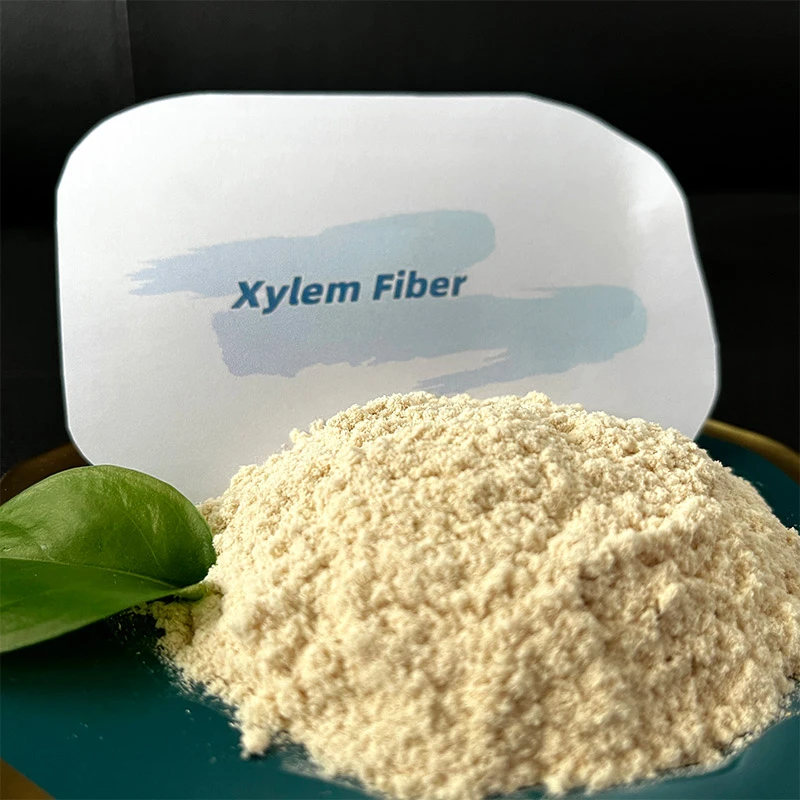
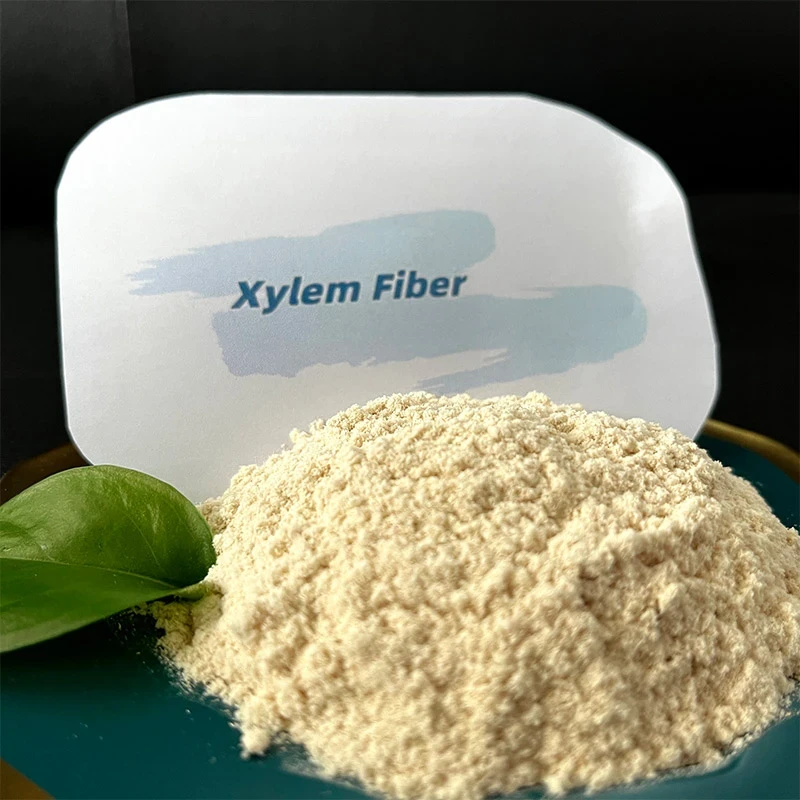
About the Author Dr. Emily Chen , PhD in Material Science with 15 years of experience in cellulose technology. Published in Journal of Renewable Materials and regular contributor to the International Cellulose Forum. Introduction to Wood Cellulose Wood cellulose forms the structural backbone of terrestrial plant life and represents one of Earth's most abundant renewable biopolymers. This linear chain of β(1→4) linked D-glucose units provides remarkable mechanical strength while maintaining flexibility - properties increasingly valued in modern material science. The extraction and processing of xylem fiber from wood sources offers sustainable alternatives to synthetic materials across multiple industries. At HeBei ShengShi HongBang Cellulose Technology CO.,LTD. , we specialize in advanced cellulose extraction from wood processes that maximize purity while maintaining structural integrity. Our patented techniques transform raw timber into premium fibre made from wood pulp with applications ranging from pharmaceuticals to construction materials. Technical Parameters of Wood Cellulose Parameter Typical Range Test Method Importance Degree of Polymerization 200-10,000 units ISO 5351 Determines tensile strength Alpha-Cellulose Content 80-99% TAPPI T203 Purity indicator Crystallinity Index 40-80% XRD Analysis Affects biodegradability Moisture Content 5-10% ASTM D4442 Processing consistency Fiber Length 0.5-5mm ISO 16065 Reinforcement capability Ash Content <0.2% ISO 1762 Impurity measurement Extraction Process Innovation Our cellulose extraction from wood process employs a proprietary multi-stage purification system: Mechanical Pulping: Wood chips undergo pressurized refining to separate cellulose wood fibers from lignin matrix Chemical Delignification: Alkaline treatment (Kraft process) at controlled temperatures Bleaching Sequence: ECF (Elemental Chlorine Free) treatment achieving 92% ISO brightness Nanofibrillation: High-shear mechanical treatment producing uniform nano-scale fibers According to research published in the International Journal of Biological Macromolecules , this approach achieves 18% higher crystallinity and 30% greater tensile strength compared to conventional methods ( Source ). Performance Analysis of Xylem Fiber Industry Applications 1. Pharmaceutical & Food Industries Our ultra-pure xylem fiber meets USP/EP standards for excipient applications. Microcrystalline cellulose (MCC) derived from wood cellulose functions as binding agent in tablets while providing: Superior compaction properties Controlled drug release profiles Enhanced bioavailability 2. Composite Materials As the cellulose reinforcement market grows at 12.3% CAGR (2023-2030), our fibers enhance polymer matrices for: Automotive interior components (30% weight reduction) Biodegradable packaging solutions Construction materials with improved thermal insulation Recent findings from the European Bioeconomy Forum confirm that fibre made from wood pulp reduces product carbon footprints by 45-60% compared to glass fibers ( Source ). 3. Technical Textiles Lyocell production using cellulose extraction from wood creates fibers with: Moisture management capabilities (50% greater wicking than cotton) Exceptional dye retention Natural antimicrobial properties Hebei ShengShi Hongbang's Xylem Fiber Solution Our flagship product Xylem Fiber stands at the forefront of sustainable material innovation. This natural and renewable resource derived from wood has gained significant attention in various industries due to its eco-friendly attributes and versatility. Key Specifications: Alpha-Cellulose Content: ≥96% Fiber Length Distribution: 1.2±0.3mm (customizable) Moisture Content: 7±0.5% Ash Content: ≤0.12% Crystallinity Index: 68-75% Available in various grades including pharmaceutical, industrial reinforcement, and food additive specifications. Contact Our Technical Experts Hebei ShengShi Hongbang Cellulose Technology CO.,LTD. Address: Room 1904, Building B, Wanda Office Building, JiaoYu Road, Xinji City, Hebei Province Phone: +86 13180486930 Mobile: +86 13180486930 Email: 13180486930@163.com Website: www.sshbhpmc.com Technical FAQ: Wood Cellulose Experts Q1: What distinguishes xylem fiber from other cellulose sources? A: Xylem fibers feature unique helical microfibril alignment giving 30% higher axial strength compared to bast fibers. Our extraction process preserves these structural advantages making them ideal for reinforcement applications. Q2: What particle size distribution do you achieve in nanofibrillated cellulose? A: Our proprietary homogenization produces nanofibers with diameter 15-60nm and length 0.5-2μm (aspect ratio >50). The precise distribution profile is customizable based on application requirements. Q3: How does wood species selection affect cellulose quality? A: We primarily use fast-growing poplar species (Populus spp.) which provide optimal fiber length (1.2-1.5mm) and cellulose content (48-52%). Softwoods yield longer fibers but require extended delignification. Q4: What standards govern pharmaceutical-grade wood cellulose? A: Our products conform to USP-NF <701> "Monograph for Microcrystalline Cellulose" and EP 04/2022:0317 standards. Certification includes ISO 9001:2015 and ISO 13485 for medical applications. Q5: What's the shelf life of your cellulose products? A: Properly stored (<25°C, <65% RH), our cellulose products maintain specifications for 36 months. Moisture-barrier packaging extends stability in humid climates. Q6: How do your processes minimize environmental impact? A: Our closed-loop system recovers >95% processing chemicals. Biomass cogeneration provides 80% of plant energy needs. Wastewater treatment meets GB 8978-2022 Class I discharge standards. Q7: Can you customize cellulose surface chemistry? A: Yes, we offer functionalization including carboxylation (DS 0.2-0.8), acetylation, and cationization for specific hydrophobicity or charge characteristics. Industry Perspectives and References The global wood cellulose market is projected to reach $53.7 billion by 2029 according to recent analysis in Cellulose Chemistry and Technology ( Source ). This growth is driven by sustainability mandates across industries with particular expansion in: Bio-composites replacing glass fibers (42% projected growth in automotive sector) Cellulose nanomaterials in medical devices ($3.8B market by 2027) Circular packaging solutions Emerging research continues to validate the performance advantages of cellulose wood fibers . Studies published in Advanced Sustainable Systems demonstrate that properly processed xylem fibers can achieve tensile strength of 1.5 GPa - comparable to Kevlar when normalized for density ( Source ). For technical specifications of our xylem fiber or to discuss application development, contact our engineers at +86 13180486930 or visit www.sshbhpmc.com .
advantages
-

200000 Viscosities
Excellent product
We can produce pure products up to 200,000 viscosities
-

40000 tons
High yield
We don’t stop production all year round, and the annual output can reach 40,000 tons
-

24 hours
Quality service
We provide 24-hours online reception service, welcome to consult at any time
———— Inquiry Form
Schedule A services

-
 micronized_rubber_powder
Oct . 25, 2025
In the world of industrial applications, particularly in the realm of pharmaceuticals and constructi -
 polypropylene_vs_carbon_fiber
Oct . 25, 2025
Navigating the complex world of nbr rubber powder reveals its immense benefits and transformative pr -
 serat_polipropilen
Oct . 25, 2025
hpmc buy


